
Orange Sedge
Carex testacea
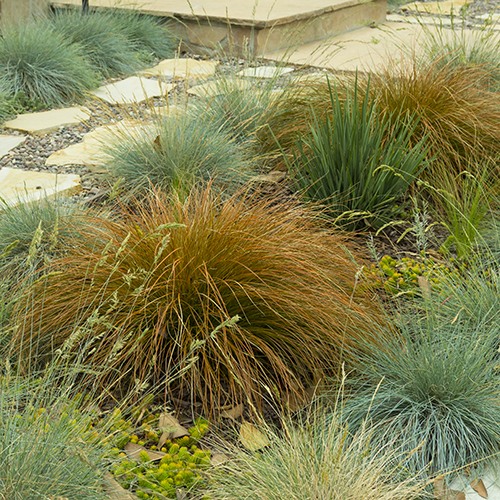
Orange Sedge
Carex testacea
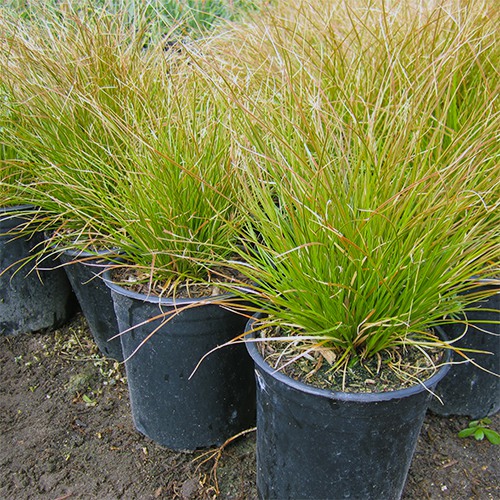
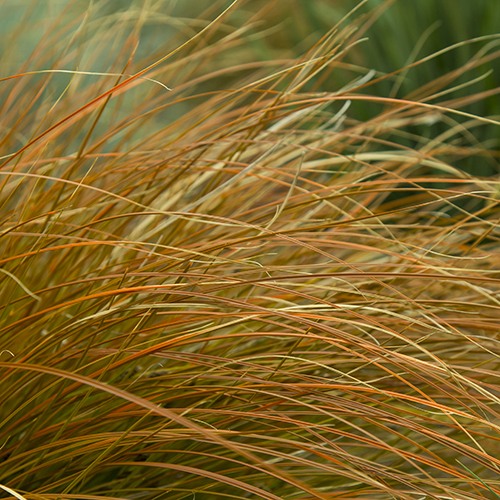
Carex testacea, commonly known as Orange Sedge, is a fine-textured ornamental grass-like plant that brings warm color and soft movement into the landscape. It’s especially valued for its unique coppery tones that shift throughout the seasons.
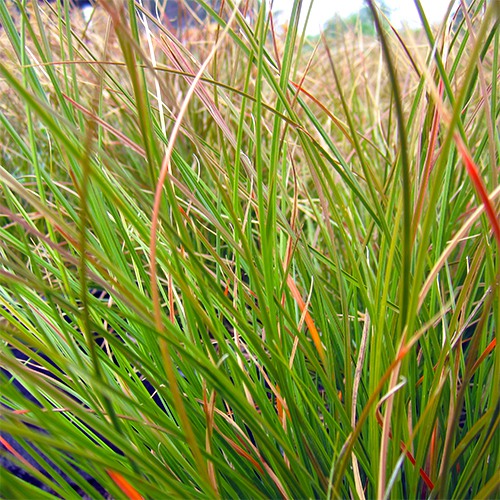
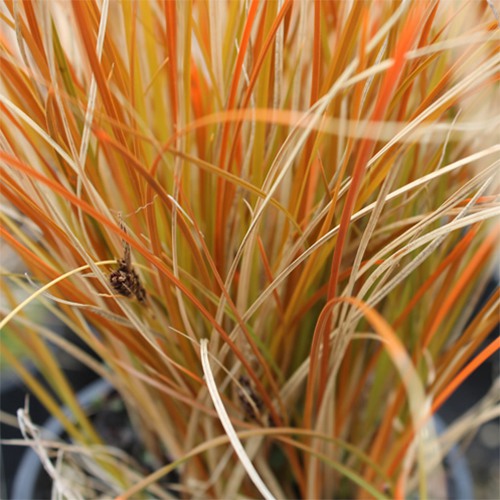
The foliage is narrow and arching, forming a graceful, fountain-like clump. Its color ranges from green to bronze, often developing rich orange and copper hues, especially in cooler weather or full sun exposure.
This subtle color shift makes it a great transitional plant, helping to tie together planting palettes with warmer tones.
It maintains a tidy, compact form, making it ideal for borders, mass plantings, or as a soft filler between more structured plants.
Carex testacea grows best in full sun to partial shade and prefers well drained soil. It benefits from occasional watering but is relatively adaptable once established.
It typically reaches about 1 to 2 feet tall and wide, forming a neat, arching clump. It is well suited for USDA zones 7 through 9, however it is also seen thriving here in Southern California which is why we have included zone 10. The foliage is evergreen.
This plant has low toxicity and is generally safe for gardens with pets and children.
It does not produce showy flowers and is primarily grown for its foliage.
It is generally deer resistant.
Carex testacea fits especially well into Mediterranean, coastal, and modern garden designs, where its warm tones and fine texture can be used to create contrast and movement.
It pairs well with plants like Phormium ‘Maori Chief’ to amplify warm, coppery tones, Leucophyllum frutescens to create a soft, silvery contrast, and Ruschia ‘Nana’ to introduce a clean, low growing ground layer beneath.
Expert Tip:
Place this in full sun to enhance its copper coloring, because stronger light brings out the richest tones. Occasional grooming of older foliage will also help keep the plant looking fresh and vibrant.
— Nick from Rooted Theory
Proper planting technique will help your plants thrive! Follow these simple steps to help your plants establish quickly, develop a strong root system, and live longer:
- Properly dig the hole
- Amend the soil to suit each particular plant
- Place the plant and backfill the soil
- Provide ample water for each particular plant
- Review our how to plant guide!
For detailed information, please download our planting guides: