
Manzanita
Arctostaphylos 'Sunset'
Manzanita
Arctostaphylos 'Sunset'
Shipping
1 Gallon
to
is
per unit when ordering a full box of
4.0
units.
Edit my zipcode
- Arctostaphylos ‘Sunset’ is a California native shrub that brings structure, texture, and year round interest into the landscape. As part of the chaparral plant community, it’s well adapted to dry conditions and fits naturally into low water, native plantings.
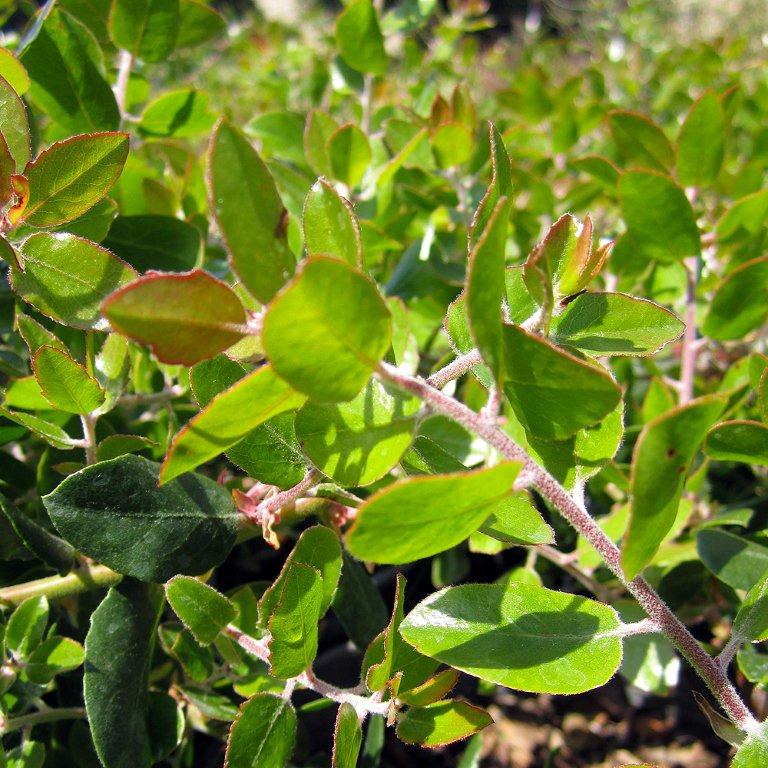
- The foliage is a soft gray green, with small, smooth leaves that create a clean, refined look. As it matures, the plant develops a branching structure with rich, reddish bark that adds another layer of visual interest, especially in more open forms.
- In late fall through winter, it produces clusters of small, urn shaped flowers in shades of pale pink to white. These are followed by red berries that can attract birds and wildlife.
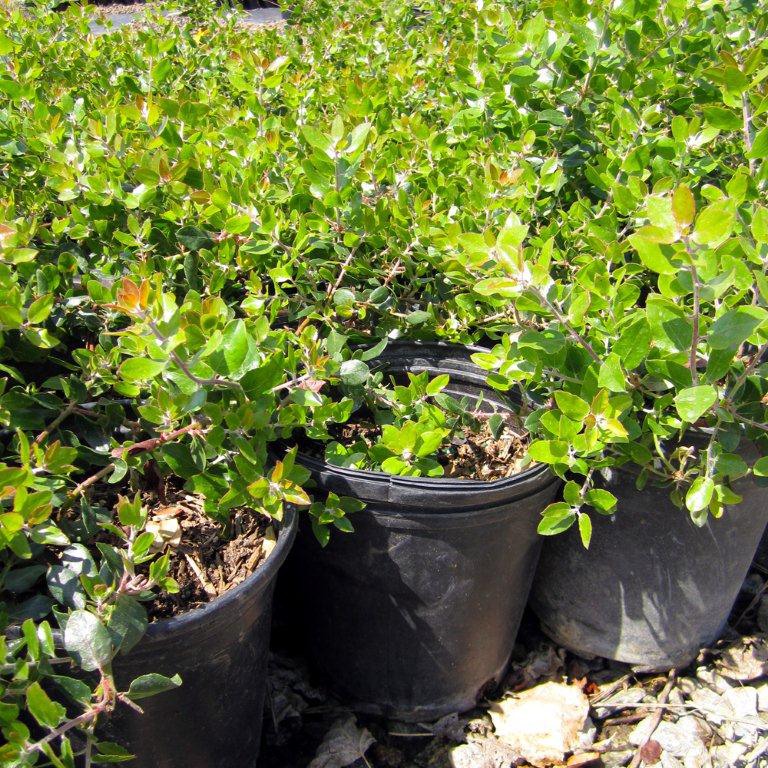
- It typically grows as a dense, rounded shrub, though it can be pruned to reveal more of its branching structure if desired. It works well as a specimen plant, in native groupings, or as part of a drought tolerant design.
- Arctostaphylos ‘Sunset’ grows best in full sun and requires excellent drainage. Once established, it is highly drought tolerant and prefers little to no summer water. Overwatering can lead to decline, which is common with many manzanitas.
- It typically reaches about 4 to 6 feet tall and wide, forming a compact, full shrub. It is well suited for USDA zones 8 through 10 and is fairly adaptable in mild climates. The foliage is evergreen.
- This plant has low toxicity and is generally a safe choice for gardens with pets and children.
- The flowers attract pollinators such as bees and are beneficial for native insects, while the berries attract birds.
- It is generally deer resistant, though some browsing may occur when plants are young.
- Arctostaphylos ‘Sunset’ fits especially well into native, chaparral, and Mediterranean garden designs, where its structure and low water needs can be fully utilized.
- Expert Tip:
- I like pairing manzanitas like this with other dry climate plants that don’t need summer water, like sages or ceanothus. It keeps everything on the same irrigation schedule and helps the planting feel cohesive. Mixing in a few lower groundcovers can also help frame the structure without crowding it.
- — Nick from Rooted Theory
Foliage:
Evergreen
Sun Exposure:
Full Sun (6+ Hours Of Direct Sunlight)
Water Needs:
Low,
Low to Moderate
Form:
Upright And Rounded
Mature Width:
5-6'
Mature Height:
5-6'
Proper planting technique will help your plants thrive! Follow these simple steps to help your plants establish quickly, develop a strong root system, and live longer:
- Properly dig the hole
- Amend the soil to suit each particular plant
- Place the plant and backfill the soil
- Provide ample water for each particular plant
- Review our how to plant guide!
For detailed information, please download our planting guides: