
Goldmine Nectarine Tree
Prunus persica nucipersica 'Goldmine'
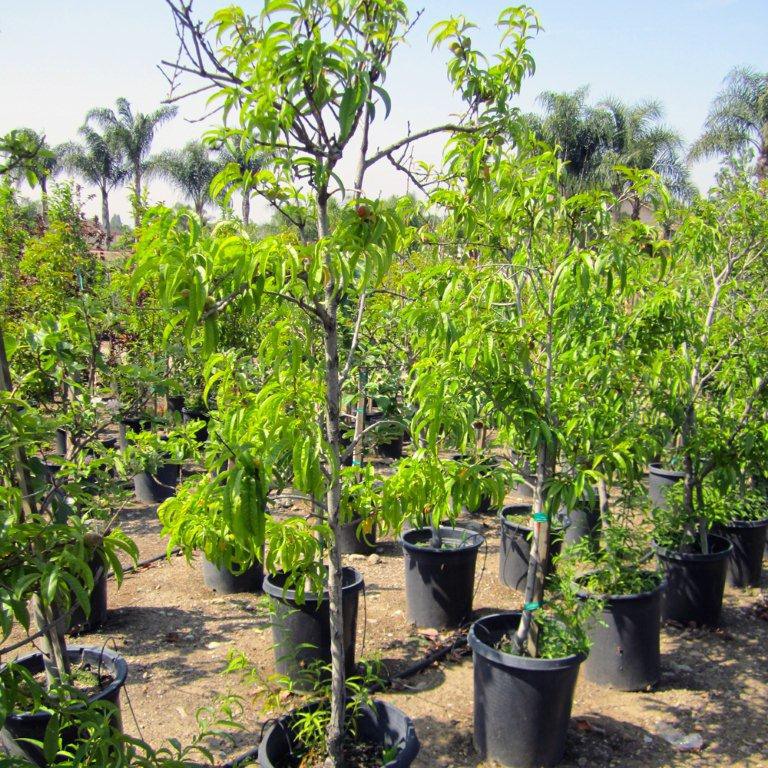
Goldmine Nectarine Tree
Prunus persica nucipersica 'Goldmine'
- Goldmine Nectarine Tree is a great option if you’re looking for a fruit tree that delivers both flavor and visual appeal. It produces medium to large nectarines with smooth skin and bright yellow flesh that’s known for being sweet with just a bit of tang.
- The fruit typically ripens in mid to late summer and is great eaten fresh, right off the tree. It also works well for baking or slicing into dishes, but most people end up eating them before they make it that far.
- In early spring, the tree is covered in soft pink blossoms that bring a nice seasonal moment before the fruit sets. It’s one of those trees that adds interest even before harvest season.
- The tree has a rounded canopy and a fairly manageable size, which makes it a good fit for backyard orchards or even as a feature tree in a landscape. With pruning, it can be kept open and structured, which also helps with fruit production.
- Goldmine Nectarine grows best in full sun and prefers well drained soil. Regular watering is important, especially during fruit development, and it benefits from seasonal pruning to maintain shape and encourage airflow.
- It typically reaches about 12 to 18 feet tall and wide, though it can be kept smaller with pruning. It is well suited for USDA zones 6 through 9 and requires winter chill hours to produce fruit reliably. The foliage is deciduous. Although it prefers cooler winters, we do see it perform in parts of Southern California with the right conditions, which is why we have included it in zone 10a.
- This plant has low toxicity and is generally a safe choice for gardens with pets and children.
- The flowers attract pollinators such as bees, and the fruit is enjoyed by both people and wildlife.
- It is generally deer resistant, though young growth may occasionally be browsed. Birds may go after ripening fruit if not protected.
- Goldmine Nectarine fits especially well into edible gardens, Mediterranean landscapes, and backyard orchard designs, where it can provide both seasonal beauty and a productive harvest.
- Expert Tip:
- I like using nectarine trees like this in smaller yards because you can keep them pruned low and still get a really solid harvest. If you open up the canopy a bit, you’ll get better airflow and sunlight, which makes a big difference in fruit quality.
- — Nick from Rooted Theory
Sun Exposure:
Full Sun (6+ Hours Of Direct Sunlight)
Bloom Season:
Spring
Foliage:
Deciduous
Water Needs:
Moderate to Regular,
Regular
Form:
Upright Rounded Canopy
Mature Width:
15-18'
Mature Height:
15-18'
Proper planting technique will help your plants thrive! Follow these simple steps to help your plants establish quickly, develop a strong root system, and live longer:
- Properly dig the hole
- Amend the soil to suit each particular plant
- Place the plant and backfill the soil
- Provide ample water for each particular plant
- Review our how to plant guide!
For detailed information, please download our planting guides: