
Pt. Reyes Ceanothus
Ceanothus gloriosus 'Anchor Bay'
Pt. Reyes Ceanothus
Ceanothus gloriosus 'Anchor Bay'
Shipping
1 Gallon
to
is
per unit when ordering a full box of
4.0
units.
Edit my zipcode
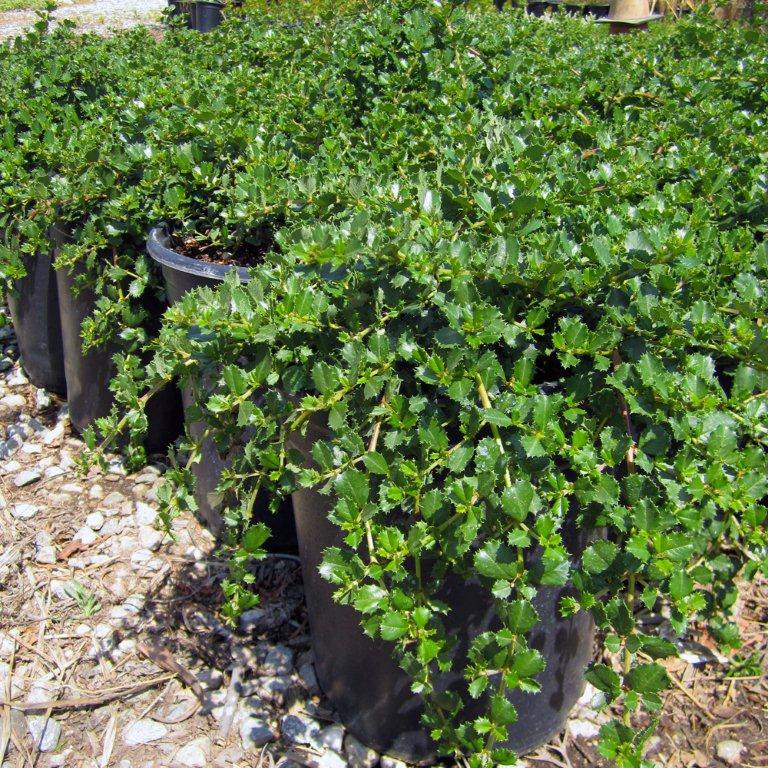
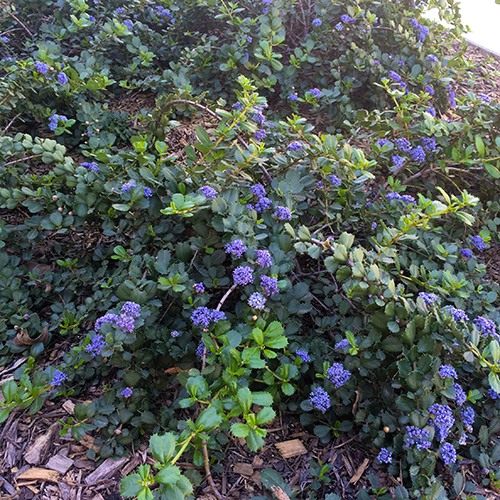
- Ceanothus gloriosus ‘Anchor Bay’ is a low growing California native that really shines when you need something tough, coastal, and visually cohesive. It naturally hugs the ground, spreading outward to form a dense, evergreen mat that works especially well on slopes and along edges.
- This plant is part of the chaparral and coastal scrub plant communities, which tells you a lot about how it performs. It’s built for sun, wind, and dry conditions, making it a strong choice for low water landscapes.
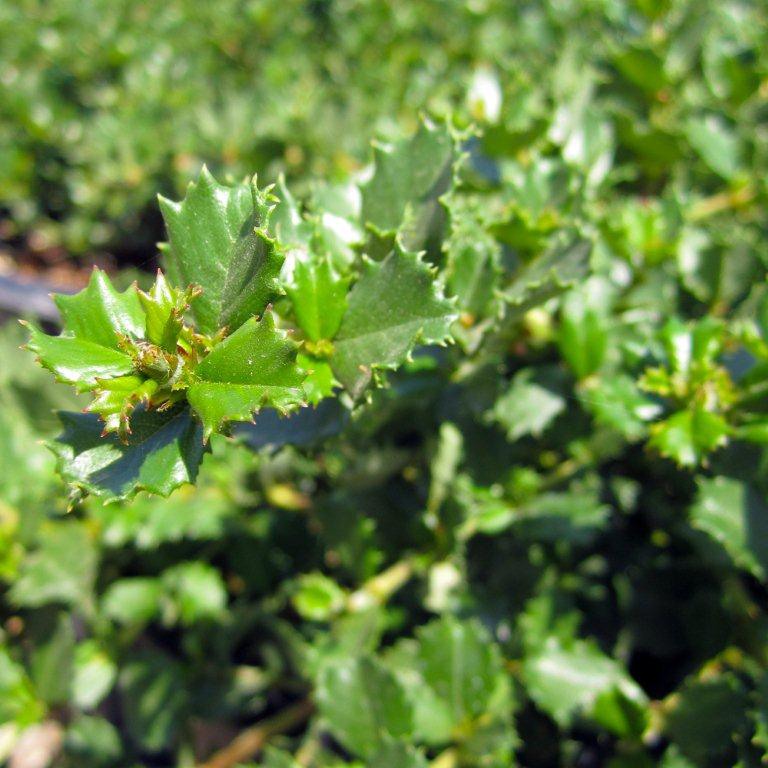
- The foliage is small, glossy, and deep green, creating a clean backdrop throughout the year. In spring, it comes alive with clusters of soft blue flowers that can cover the plant and create a really striking contrast against the darker leaves.
- Because of its spreading habit, it’s often used as a groundcover for erosion control or to fill in larger areas without needing a lot of maintenance. It also works well cascading over walls or softening the edges of pathways.
- Ceanothus ‘Anchor Bay’ grows best in full sun and requires excellent drainage. Once established, it is highly drought tolerant and prefers little to no summer water. Overwatering can shorten its lifespan, which is common with many California natives.
- It typically stays around 1 to 2 feet tall while spreading 6 to 10 feet wide, forming a broad, low layer. It is well suited for USDA zones 8 through 10 and is hardy down to around 15 to 20 degrees Fahrenheit. The foliage is evergreen.
- This plant has low toxicity and is generally a safe choice for gardens with pets and children.
- The flowers attract pollinators such as bees and are especially beneficial for native insects.
- It is generally deer resistant and typically avoided by rabbits once established.
- Ceanothus ‘Anchor Bay’ fits especially well into native, chaparral, coastal, and xeriscape garden designs, where it can be used for groundcover, slope stabilization, and seasonal color.
- Expert Tip:
- I like using this on slopes or anywhere you need coverage without a lot of maintenance. Once it fills in, it does a great job of holding everything together. Just make sure you don’t overwater it—this is one of those plants that actually performs better when you leave it alone a bit.
- — Nick from Rooted Theory
Foliage:
Evergreen
Sun Exposure:
Full Sun (6+ Hours Of Direct Sunlight)
Water Needs:
Low,
Low to Moderate
Bloom Season:
Spring
Mature Height:
1-2'
Mature Width:
7-9'
Proper planting technique will help your plants thrive! Follow these simple steps to help your plants establish quickly, develop a strong root system, and live longer:
- Properly dig the hole
- Amend the soil to suit each particular plant
- Place the plant and backfill the soil
- Provide ample water for each particular plant
- Review our how to plant guide!
For detailed information, please download our planting guides: