
Trailing Acacia
Acacia redolens
Trailing Acacia
Acacia redolens
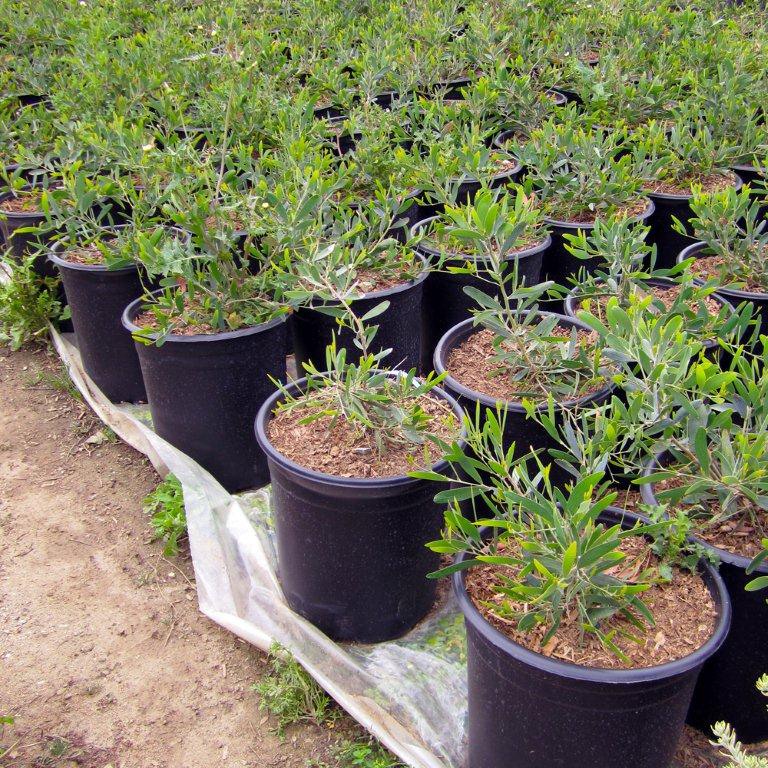
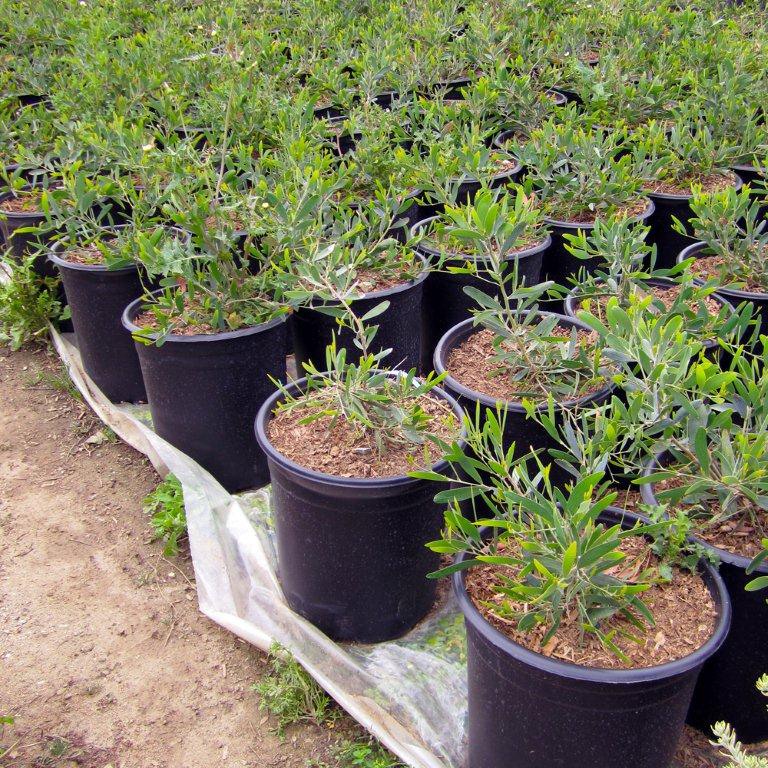
Acacia redolens is one of those workhorse plants that really shines when you need to cover ground quickly and handle tough conditions. Native to Australia, it’s widely used for its ability to spread, stabilize soil, and thrive with very little water.
Instead of a tight shrub, it grows outward in a low, flowing form, creating a broad, soft layer of gray green foliage. The color alone makes it useful—it pairs easily with both warm and cool palettes and helps tone down brighter plantings.
In late winter to early spring, small, pale yellow puffball flowers appear scattered across the plant. They’re not overly showy, but they add a nice seasonal touch and can attract pollinators.
Where this plant really stands out is on slopes and banks. Its spreading habit and strong root system help hold soil in place, making it a go to for erosion control in low water landscapes. It’s also great for large areas where you want a consistent groundcover that doesn’t need much maintenance.
It grows best in full sun and requires well drained soil. Once established, it is highly drought tolerant and performs best with minimal irrigation. Too much water can actually lead to a shorter lifespan.
Acacia redolens typically stays around 1 to 2 feet tall but can spread 10 to 20 feet wide over time, forming a wide, continuous mat. It is well suited for USDA zones 9 through 11 and is hardy down to around 20 to 25 degrees Fahrenheit. The foliage is evergreen.
This plant has low toxicity and is generally a safe choice for gardens with pets and children.
The flowers may attract pollinators such as bees.
It is generally deer resistant and typically avoided by rabbits once established.
Acacia redolens fits especially well into Mediterranean, xeriscape, and coastal garden designs, where it can be used for groundcover, slope stabilization, and large scale planting.
If you need something that can handle heat, spread out, and hold everything together, this is a really solid choice.
Expert Tip:
I like to use this as a large scale groundcover, but the key is giving it room to do its thing. It spreads wide and low, so I’ll space it out properly from the start and avoid overplanting around it. A light trim every so often helps keep the edges clean. It's great as a soil stabilizer on slopes and can also take some neglect.
— Nick from Rooted Theory
Proper planting technique will help your plants thrive! Follow these simple steps to help your plants establish quickly, develop a strong root system, and live longer:
- Properly dig the hole
- Amend the soil to suit each particular plant
- Place the plant and backfill the soil
- Provide ample water for each particular plant
- Review our how to plant guide!
For detailed information, please download our planting guides: