
Background
Larger anchoring shrubs help define the landscape space and give the garden an established stately look!
Larger anchoring shrubs help define the landscape space and give the garden an established stately look!
Background (16)







Background:
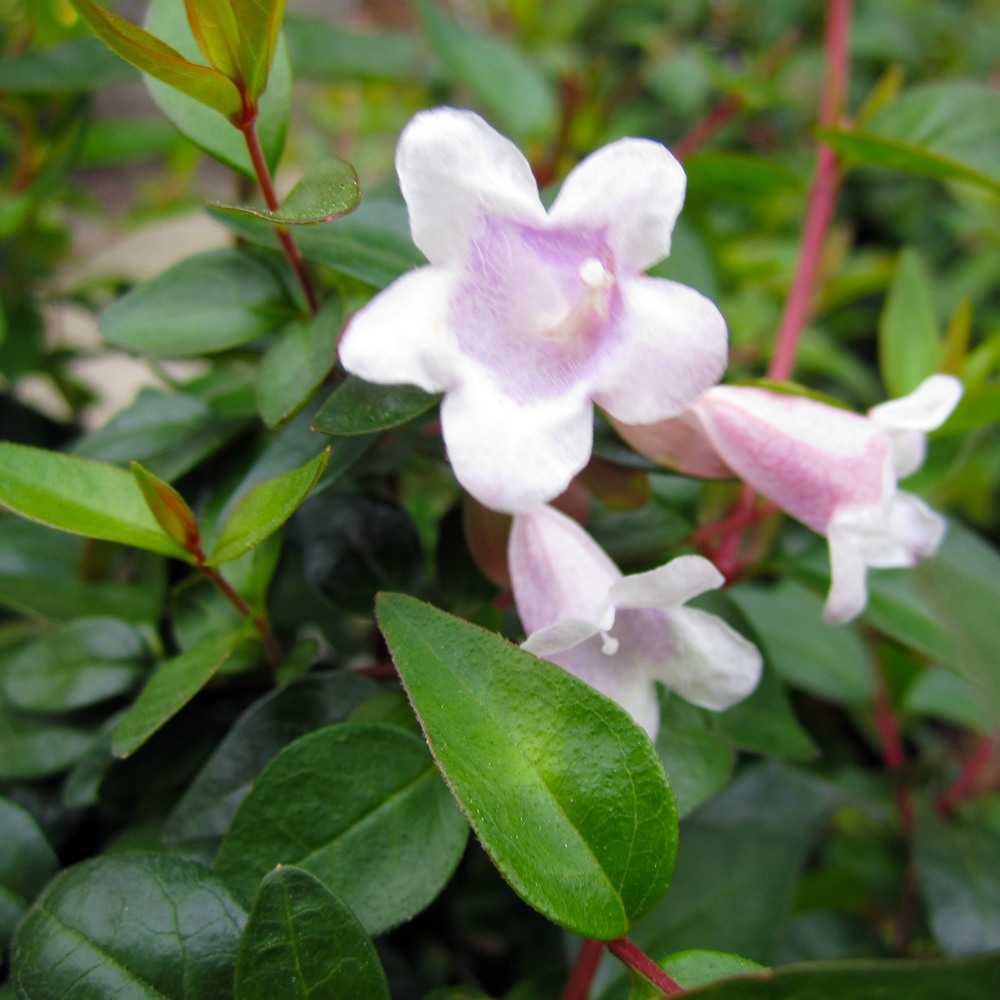
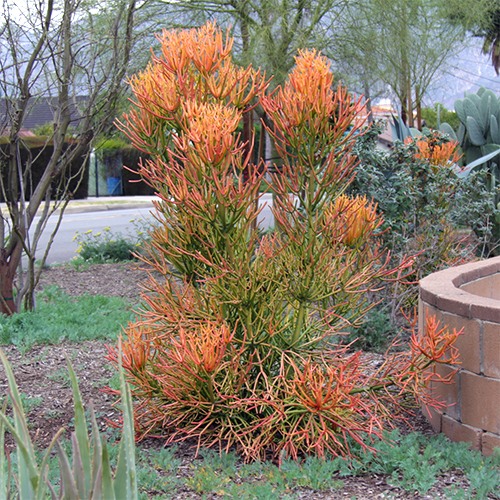
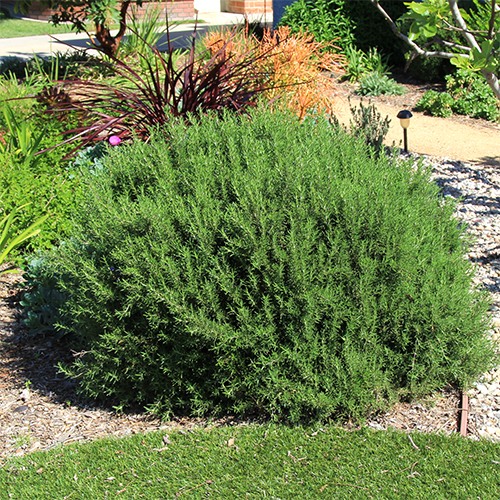
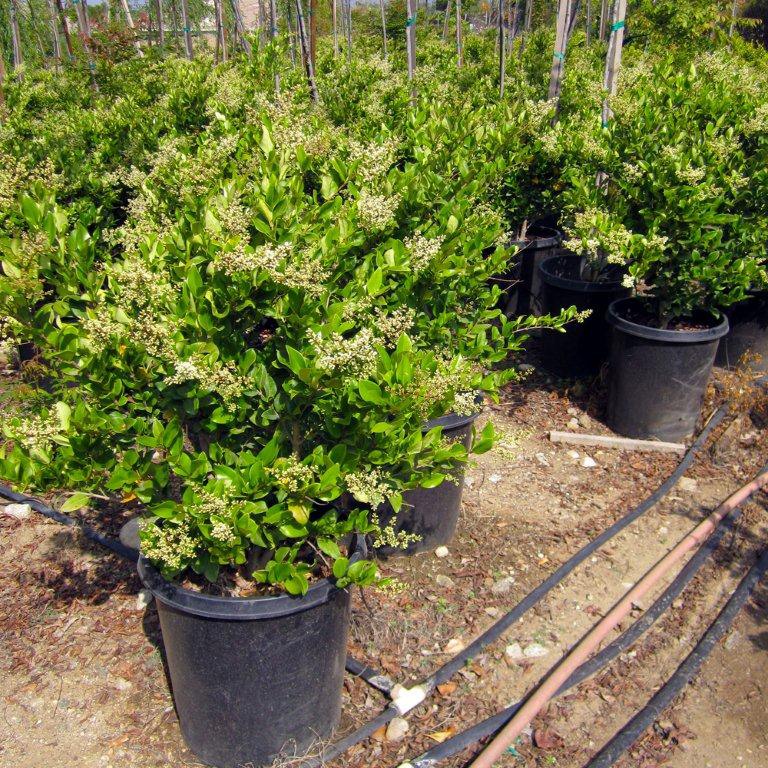
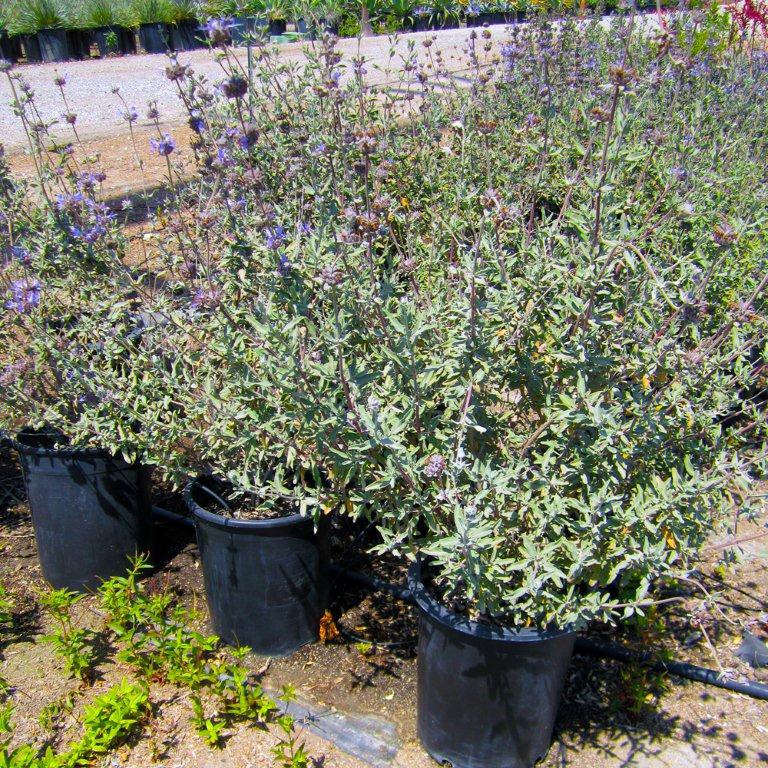
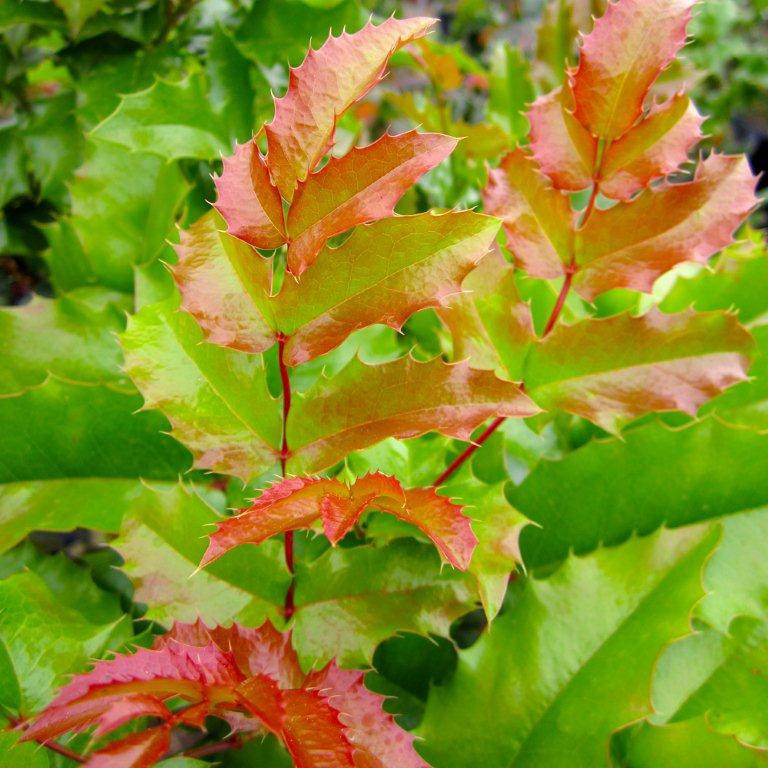
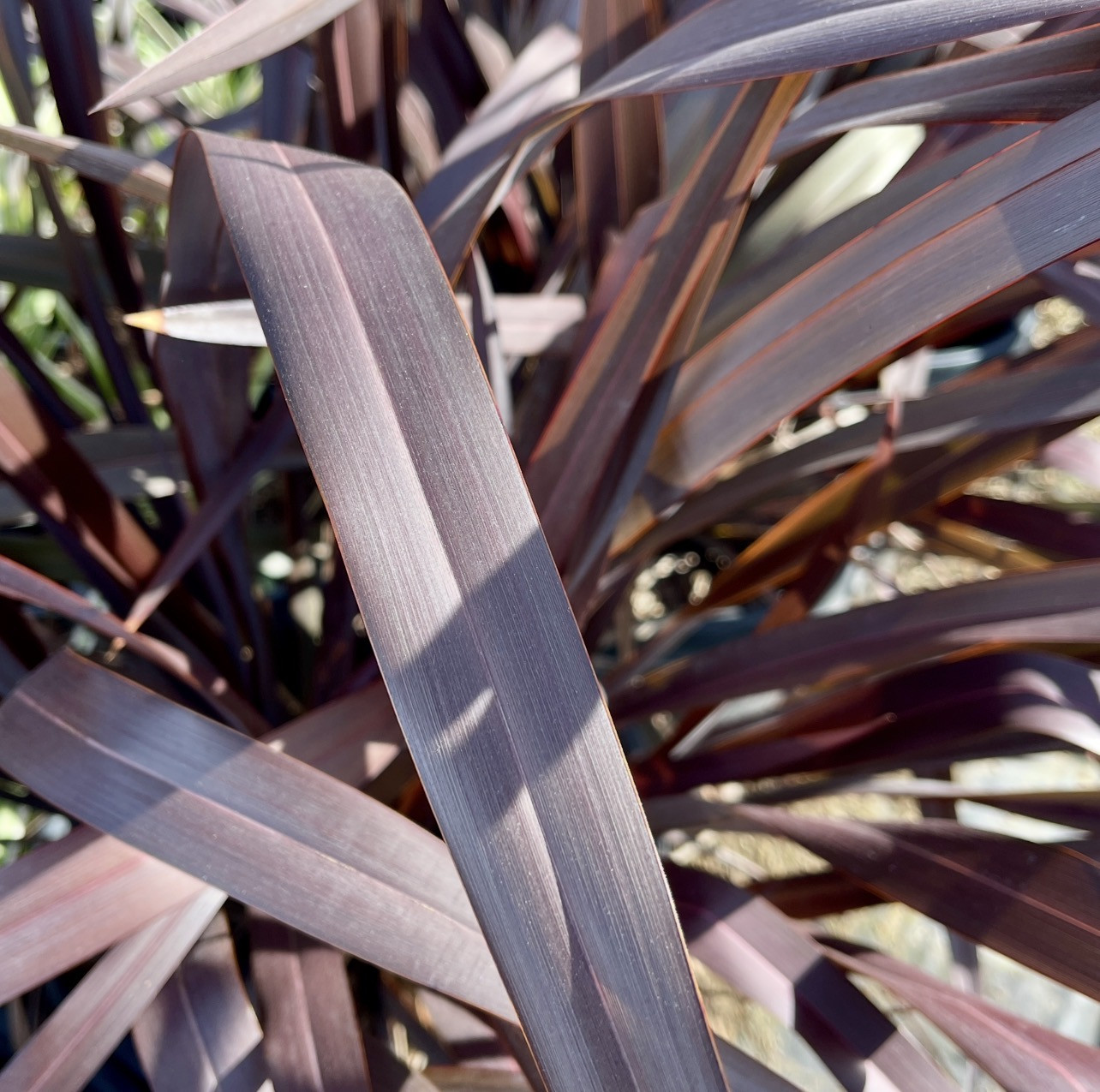
Background plants do just that…create the background to your landscape. They will typically range from 4 to 6+ feet in height. These larger shrubs are meant to be the foundation for the rest of your plants and establish a defined sense of space. This is acquired by placing these adjacent to a wall or structure, then placing medium and smaller shrubs in front to create a ‘layered’ or tiered affect. This height differentiation creates interest in the landscape. Background shrubs may also be used to ‘soften’ a structure by covering a portion of it up. Typically, background shrubs should be evergreen so they do not lose foliage in the cool months. Watch this video for a more in-depth look at planting design. If you need help making the right selections for your landscape project, please contact us!
Background:
Background plants do just that…create the background to your landscape. They will typically range from 4 to 6+ feet in height. These larger shrubs are meant to be the foundation for the rest of your plants and establish a defined sense of space. This is acquired by placing these adjacent to a wall or structure, then placing medium and smaller shrubs in front to create a ‘layered’ or tiered affect. This height differentiation creates interest in the landscape. Background shrubs may also be used to ‘soften’ a structure by covering a portion of it up. Typically, background shrubs should be evergreen so they do not lose foliage in the cool months. Watch this video for a more in-depth look at planting design. If you need help making the right selections for your landscape project, please contact us!